
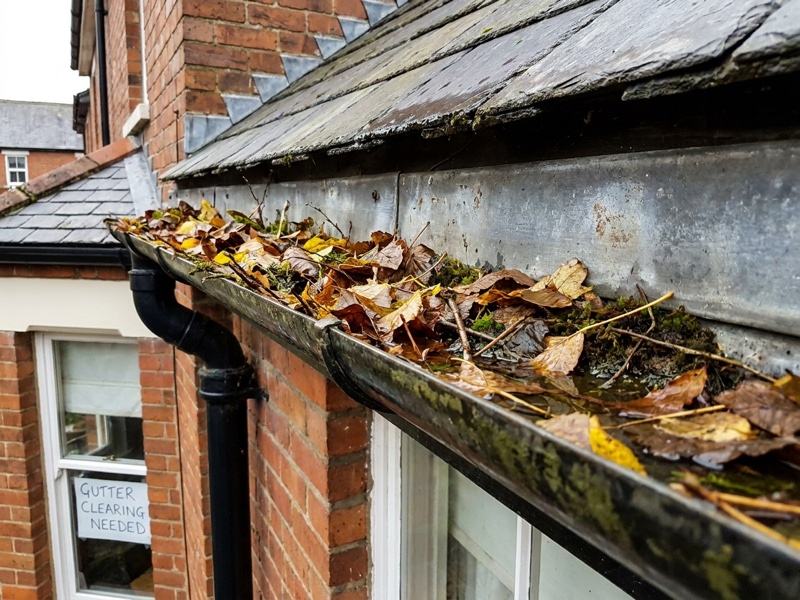
Gutter Clearing in Portsmouth & Hampshire
Blocked gutters lead to damp, structural damage and rot. We clear debris, flush the downpipes, and leave your guttering free-flowing. We can also photograph the gutters before and after.
About Our Gutter Clearing Service
Gutters blocked with leaves, moss and debris cause water to overflow and saturate the walls of your home, leading to damp, mould and expensive remediation work. We clear all debris from the guttering, flush the downpipes to ensure free flow, and check all joints and brackets for signs of damage. We're happy to take before and after photographs so you can see exactly what we found and what we fixed. Most gutter clears take under an hour for a standard semi-detached property.
What's included:
- Full debris clearance
- Downpipe flushing
- Joint and bracket inspection
- Before & after photos available
- Fascia wipe-down included
Areas Covered
Gutter Clearing Across Hampshire & West Sussex
Frequently Asked Questions
How much does gutter clearing cost in Portsmouth?
Prices vary depending on the size of your property. Call AG Windows on 07958 102 488 for a free, no-obligation quote. We aim to offer competitive, transparent pricing with no hidden charges.
How often should I have my gutter clearing done?
Most customers opt for a monthly or fortnightly schedule to keep their property looking its best year-round. One-off cleans are also available for special occasions or before you sell.
Are you fully insured for gutter clearing?
Yes — AG Windows carries full public liability insurance. You can have complete peace of mind that any property, vehicles or garden items are fully covered.
Do you cover my area in Hampshire?
We cover Portsmouth, Waterlooville, Havant, Fareham, Gosport, Emsworth, Chichester, Bognor Regis and many more areas. Call us on 07958 102 488 to confirm coverage for your postcode.
How do I know if my gutters need clearing?
Signs include water overflowing during rain, plants growing in the gutters, or visible debris. We recommend clearing gutters at least once a year — ideally in late autumn after the leaves have fallen.